


For All Mankind
Since its founding in 1958, NASA has pushed the boundaries of scientific and technical limits to explore the unknown for all the citizens of our planet. Discover the history of our human spaceflight, science, technology, and aeronautics programs.
Popular Topics


Hidden Figures
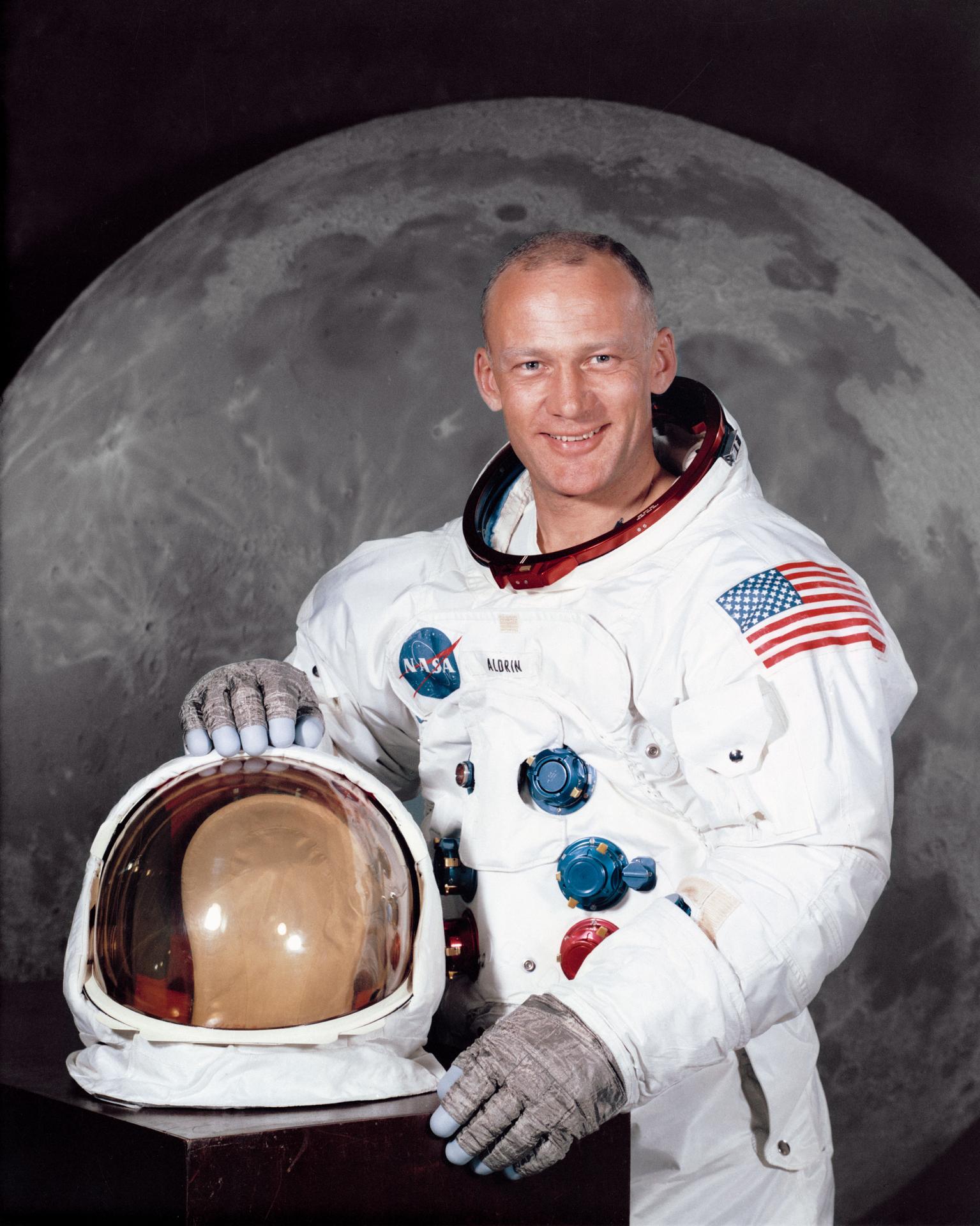
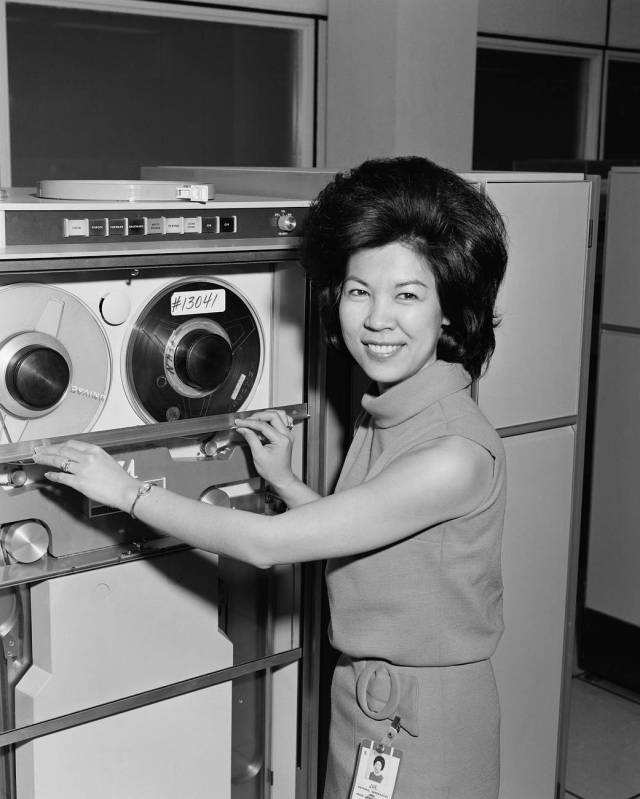
Meet the women who worked as human computers in NASA's early days.
Symbols of NASA
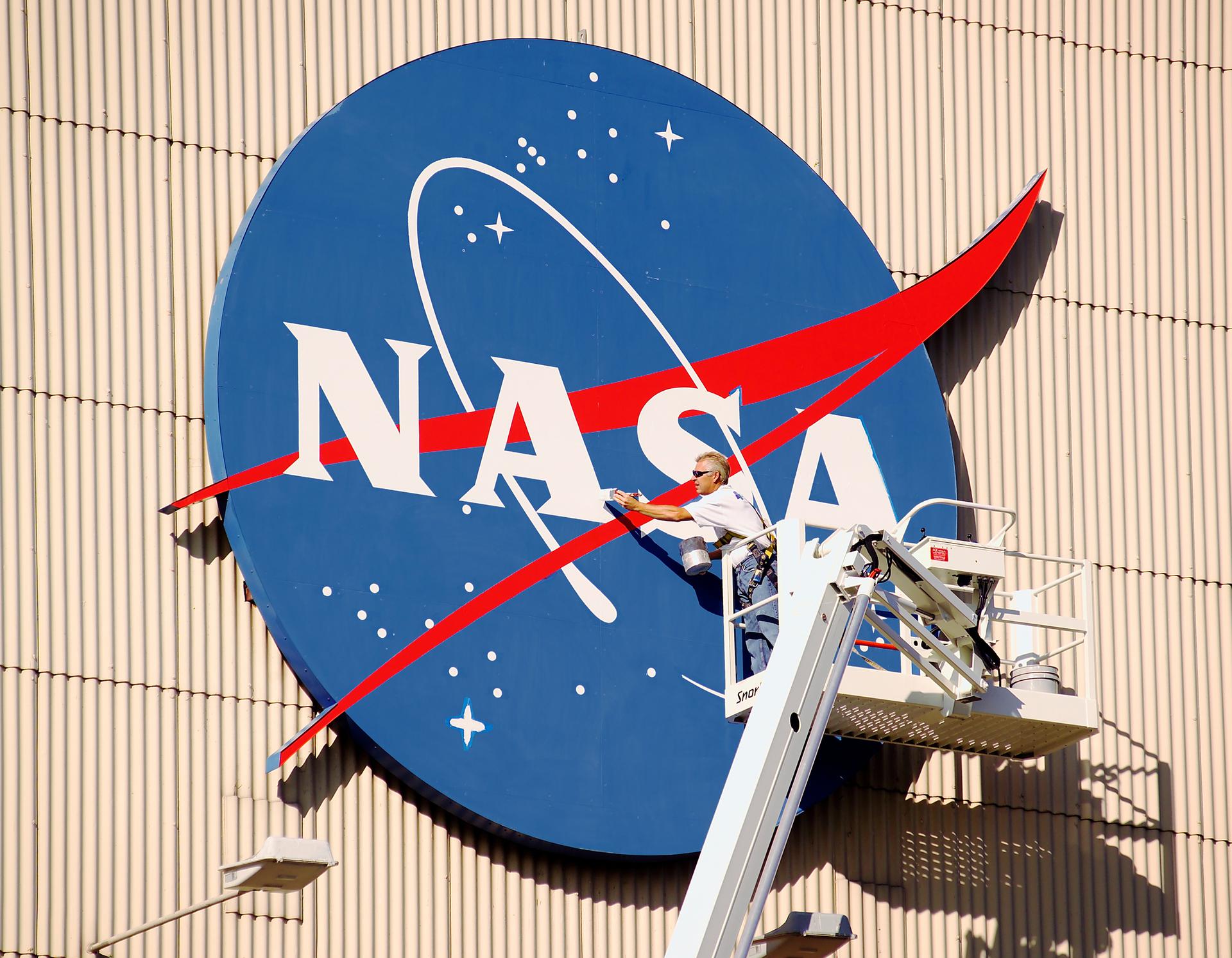
Get to know the meatball, the worm, the seal, and other logos and insignia used by NASA.

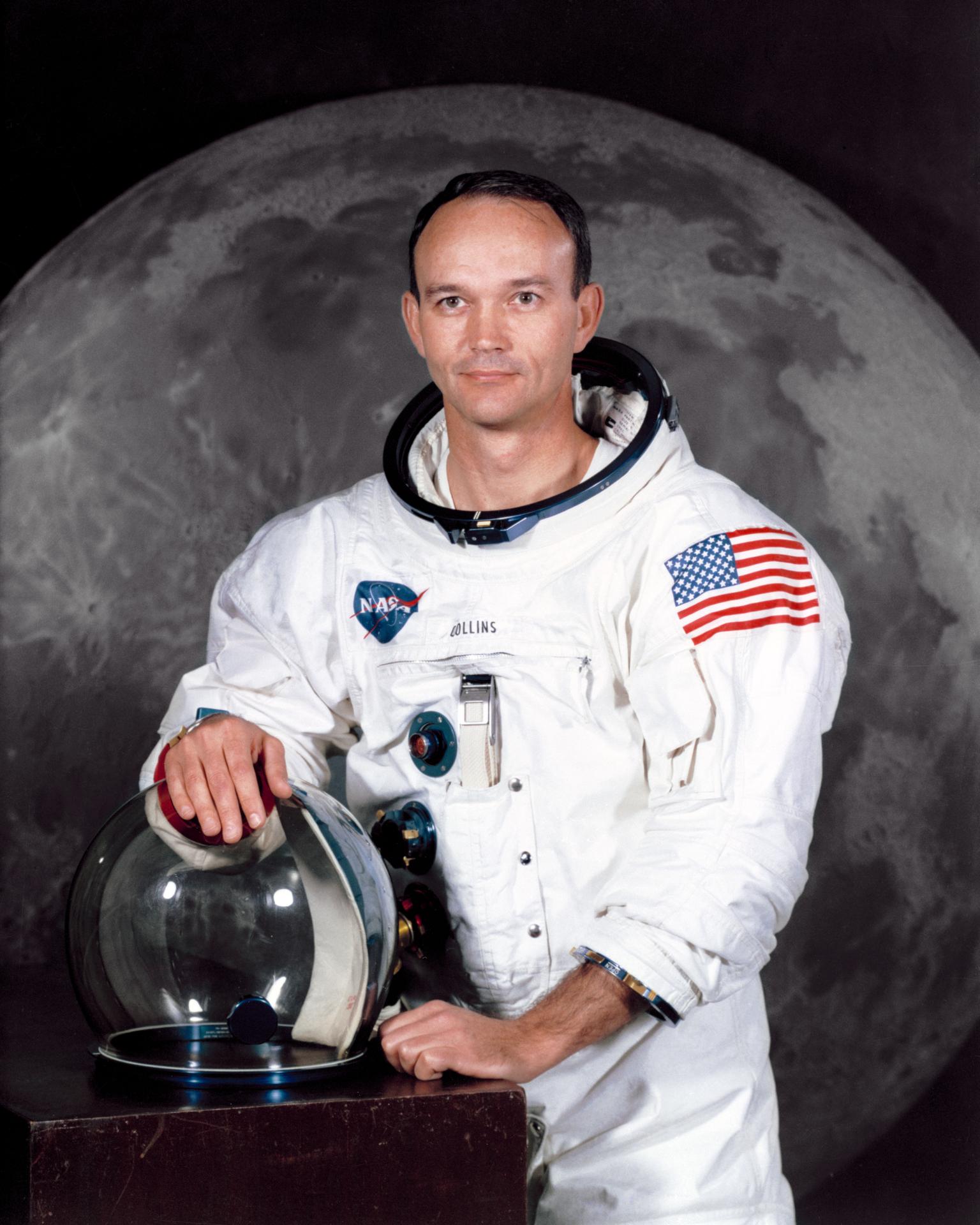
Remembering Our Fallen Heroes
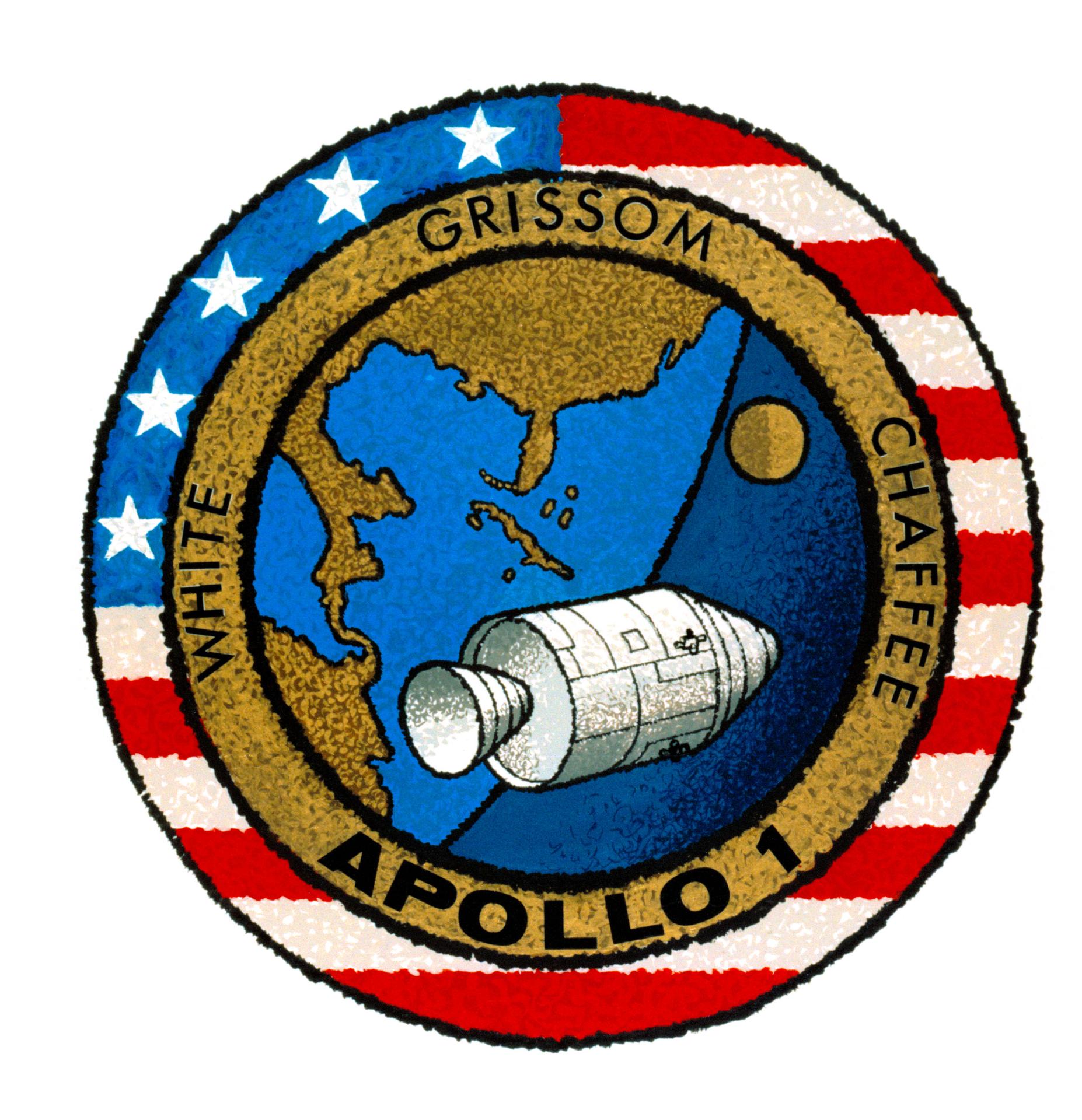
NASA will never forget the tragic loss of the Apollo 1, Challenger and Columbia crews.
Animals in Space
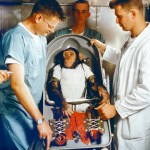
Learn about the early history of animals in space flight.
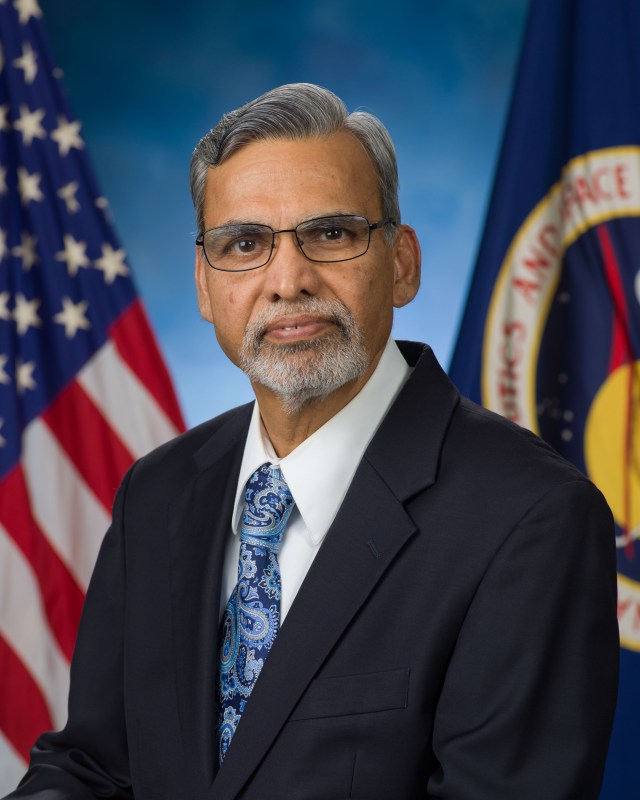
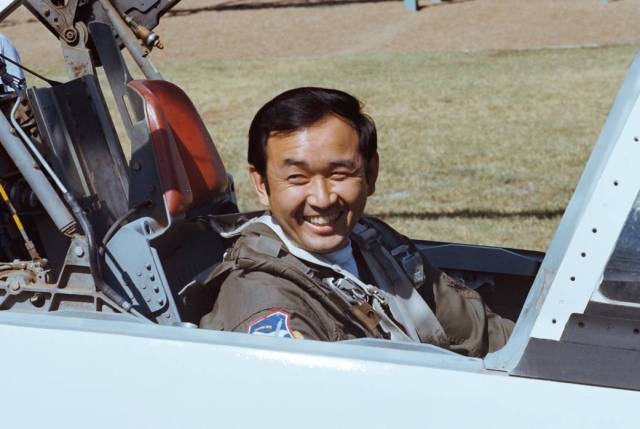
Celebrating Asian Americans, Native Hawaiians, and Pacific Islanders in NASA's History




News and Events
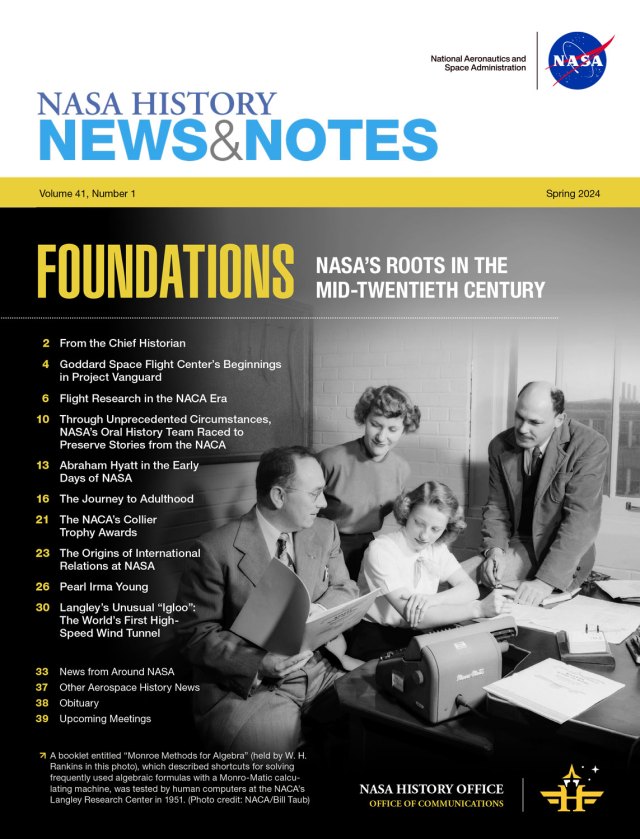
Read the Latest NASA History Newsletter
The Spring 2024 issue of NASA History News and Notes looks at the people, the research, and the events of NASA's predecessor, the NACA, and their lasting influence on the agency.
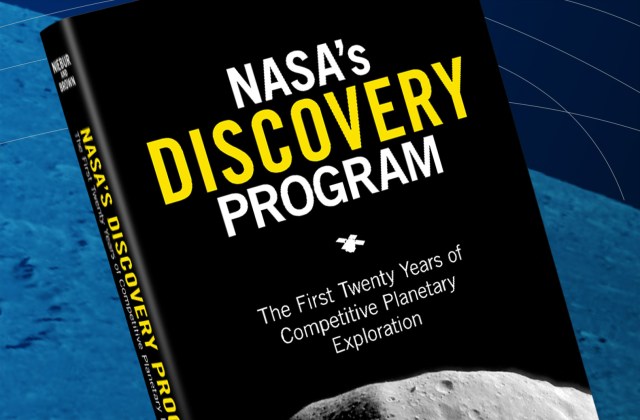
New Book Explores NASA's Discovery Program
When it started in the early 1990s, NASA’s Discovery Program represented a breakthrough in how NASA explored space. The newest book in the NASA History Series takes an in-depth look at the management techniques used to design creative and cost-effective spacecraft that continue to yield ground-breaking scientific data, drive new technology innovations, and achieve what has never been done before.
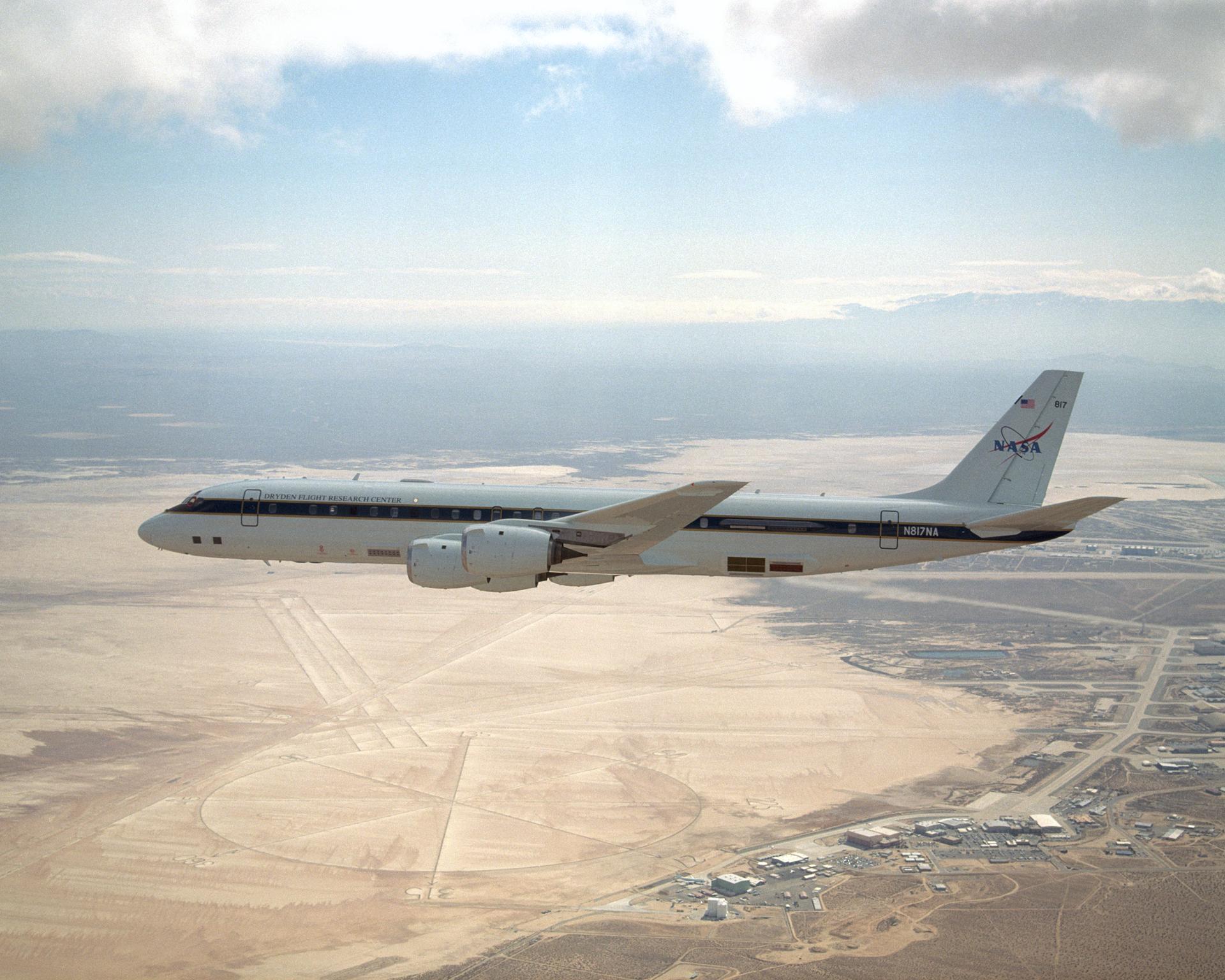
Call for Papers: Contributions of the DC-8 to Earth System Science at NASA: A Workshop
Workshop planners request proposals for papers about the contributions of the DC-8, a workhorse aircraft since 1985 for the Airborne Science Program of NASA’s Earth Science Division (ESD).
Call for Papers: NASA and Archaeology from Space Symposium
Proposals for papers are requested for a two-day symposium in honor of Dr. Thomas L. Sever, to be held in person September 18–19, 2024, in Washington, D.C.
65 Years and Counting
Forged in response to early Soviet space achievements, NASA was built on the National Advisory Committee for Aeronautics (NACA), as the locus of U.S. civil aerospace research and development. Since October 1, 1958, when NASA opened for business, it has accelerated work on human and robotic spaceflight, and is responsible for scientific and technological achievements that have had widespread impacts on our nation and the world.
Discover Our History about 65 Years and Counting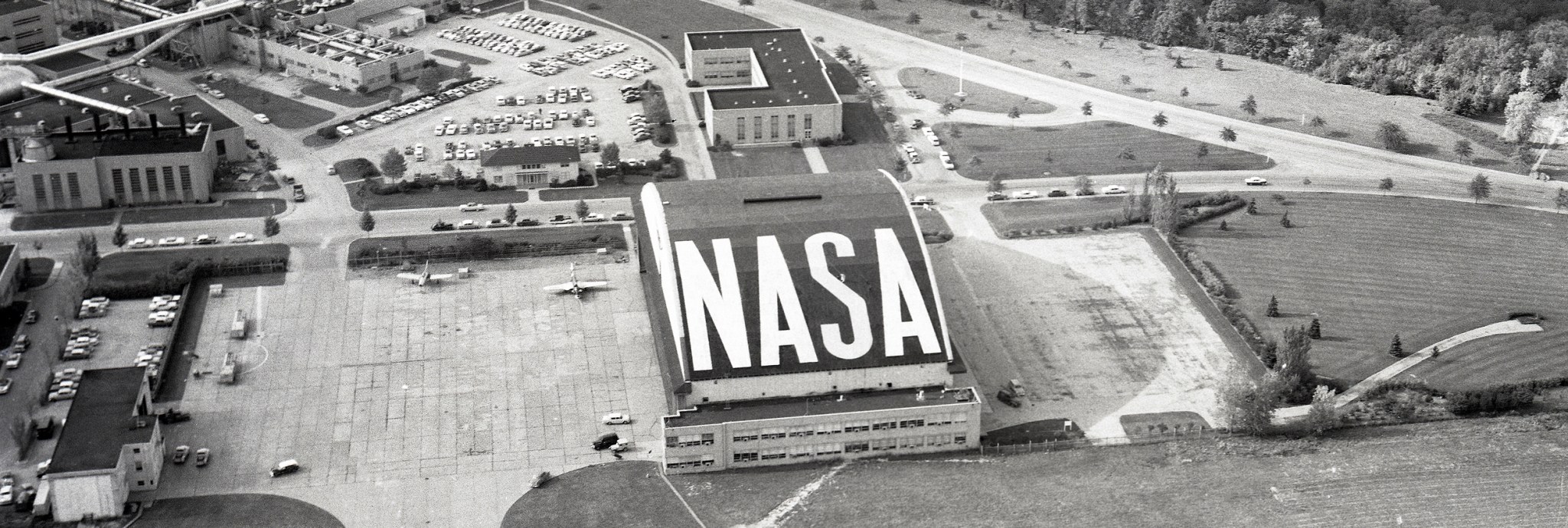
Recent NASA History Stories
Stay up-to-date with our latest NASA history articles as we revisit the discoveries and challenges of NASA's past.
On May 4, 1989, space shuttle Atlantis took off on its third flight, STS-30, from NASA’s Kennedy Space Center (KSC) in Florida. Its five-person crew of Commander David M. Walker, Pilot Ronald J. Grabe, and Mission Specialists Mark C. Lee,…

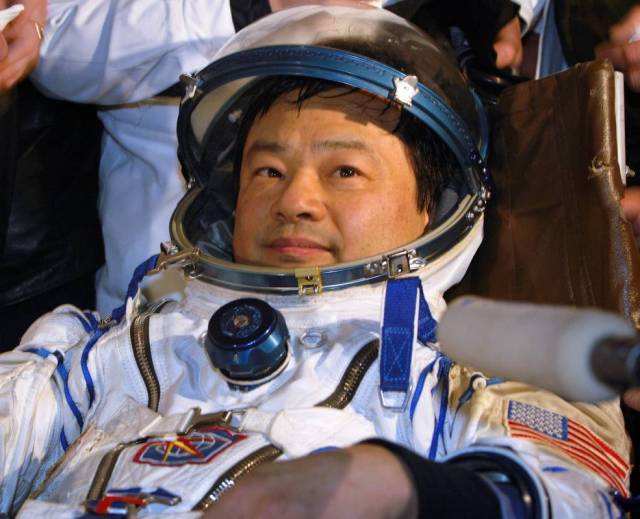
In honor of Asian-American and Native Hawaiian Pacific Islander Heritage Month, we recognize astronauts with Asian roots who have flown to the International Space Station and contributed to its assembly, operations and research activities. Other pioneers preceded them into space.…
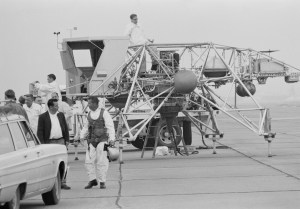
The rapid pace of preparations for the first Moon landing continued in April 1969. The successful Apollo 9 mission in March cleared the way for Apollo 10 to test all three components of the spacecraft in lunar orbit in May,…
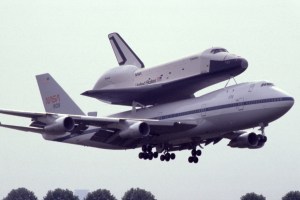
Enterprise, the first space shuttle orbiter that NASA built, arrived at NASA’s Kennedy Space Center (KSC) in Florida on April 10, 1979. Although not space worthy, as a pathfinder Enterprise carried out tasks critical to ensuring the success of the…
The NASA History Office
The National Aeronautics and Space Act of 1958 not only created NASA but directed it “to provide for the widest practicable and appropriate dissemination of information concerning NASA activities and the results thereof.” The sharing of information, including our history, has always been, and continues to be, a priority. Historians in NASA’s History Office do historical research, provide context, answer questions for NASA leadership, and share NASA’s History with the public.
Learn More About Our Work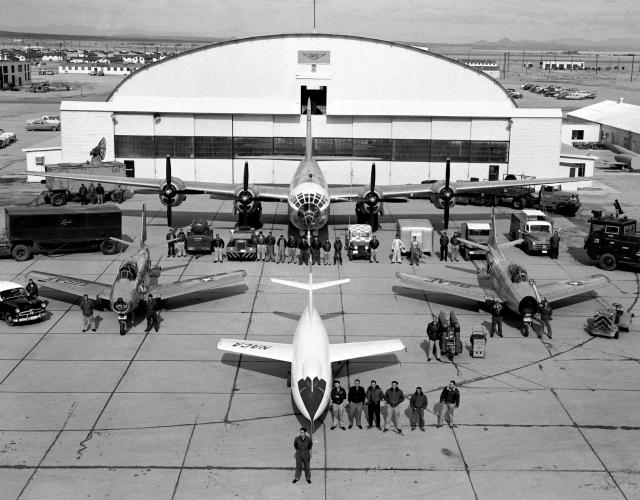
Dive Deeper
Explore interviews with aerospace legends, analyses of key events, aerospace chronologies, and more!
Since NASA’s founding, its History Office has developed history publications and conducted oral history interviews for the use of the general public. Connect with our resources to delve into your aerospace history research.
Explore our Publications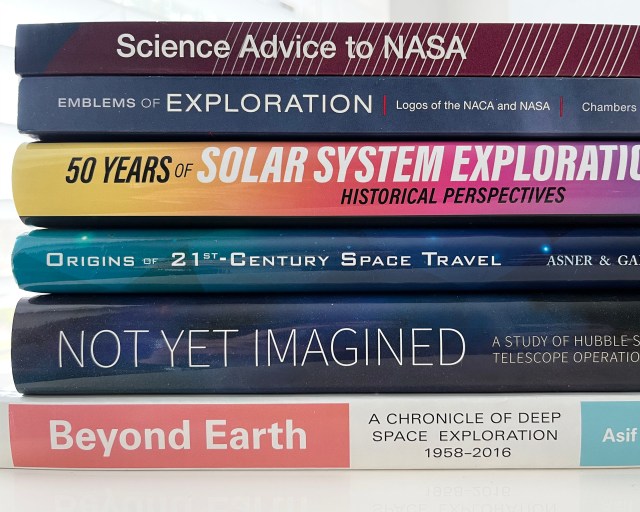
Preserving Our History
And making it accessible to future generations
The NASA Archives works to preserve and provide access to historically and culturally significant records and material created by NASA, including our work in the fields of engineering and science, ensuring that they will be discoverable for generations to come.
NASA Archives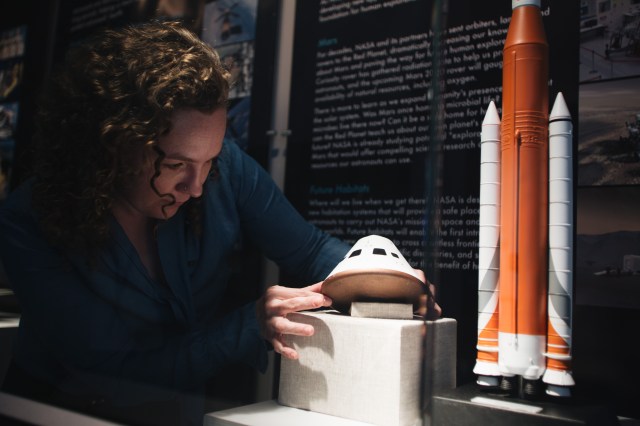
Follow NASA History on Social Media
National History Day Research Help
The NASA History and Archives Offices are strong supporters of National History Day, and have made a ton of material available. Check out our list of resources that will help you with your research.
Kick-start Your Research